Tooth Replacement · Washington, DC
Tooth Replacement Options in Washington, DC
From bridges and partials to dental implants — an honest comparison of the ways to replace missing teeth, and how to choose.
Direct answer
Missing teeth can be replaced with a fixed bridge, a removable partial or full denture, a temporary flipper, or dental implants. Implants are the only option that replaces the tooth root and helps preserve the jawbone.
Why it matters: Missing teeth affect chewing, speech, and bite alignment, and put excess pressure on the remaining teeth — increasing the risk of wear, damage, and further tooth loss while the jawbone beneath the gap deteriorates.
Why see a periodontist: The right choice depends on the health of the gum and bone under the restoration. A periodontist evaluates that foundation first — which options your mouth can actually support, not just which ones exist.
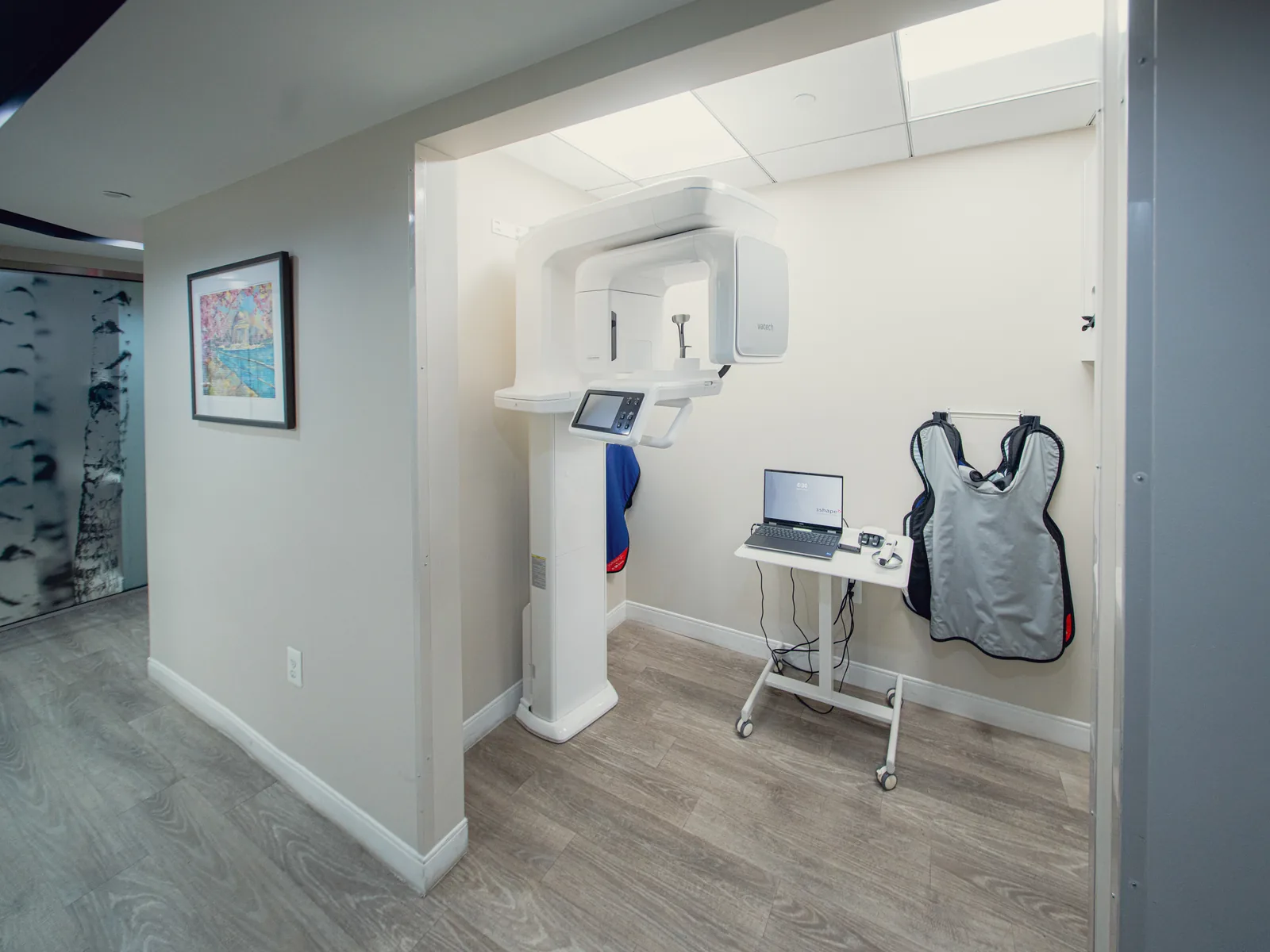
Next step in DC: DC Perio evaluates tooth-replacement candidacy at both DC locations, with imaging of your jaw to determine which options will work for you. Call (202) 659-3500 or request a consultation.


Why replacing missing teeth matters
Your teeth play a vital role in your overall health and well-being. When you are missing teeth, it can impact your ability to eat, speak clearly, and maintain proper bite alignment. Over time, the excess pressure on remaining teeth increases the risk of premature wear, damage, or even further tooth loss. You may also experience headaches, jaw pain, and an aged appearance as the jawbone deteriorates.
A good candidate for replacement is anyone missing one or more teeth — or anyone unhappy with their dentures. Age is not a factor. However, smoking, diseases such as diabetes, and prior radiation therapy to the area have been shown to lower the success rate of implant placement. X-rays of your jaw are taken to evaluate whether it will accommodate implants, and detailed imaging may be needed to determine whether other procedures are required first.
Fixed bridge
A fixed bridge replaces missing teeth by anchoring a set of artificial teeth to the adjacent natural teeth. It requires grinding down those neighboring teeth to accommodate the bridge crowns. Although non-removable and durable, a fixed bridge sacrifices healthy tooth structure — and the bone under the missing tooth continues to resorb beneath it.
Flipper
A flipper is a fragile, temporary, and inexpensive removable partial denture made of acrylic plastic. It provides a quick interim solution while awaiting a longer-term replacement. Flippers are not designed for extended use — they lack both stability and durability.
Partial denture
A partial denture uses a plastic base with artificial teeth to fill gaps from missing teeth while fitting around the remaining natural teeth. Metal clasps or attachments secure it in place, making it more stable than a flipper but still removable. Regular adjustments are required as the mouth changes over time.
Full removable denture
A full denture is an entire arch of artificial teeth set in an acrylic base that rests on the gums. While it restores appearance and some function, a conventional denture does not prevent jawbone deterioration and often requires relining or replacement as the shape of the mouth changes.
Dental implants
Dental implants are the most comfortable and longest-lasting solution. They form a strong foundation for replacement teeth and help keep the jaw healthy by replacing the tooth root itself. Implants can support individual replacement teeth or secure specialized dentures in place. Unlike bridges, no healthy teeth are ground down. With proper care, implants can last a lifetime — and implant-supported teeth can be attractive, stable, and comfortable for almost any patient.
For patients missing all upper or lower teeth, implant-supported options range from overdentures to fixed full-arch bridges — see full-arch dental implants and implant-supported dentures for how those differ.
Questions on tooth replacement options?
Contact us for a consultation. Our team will address any concerns you may have, explain the options in more detail, and create a treatment plan tailored to your specific needs — in writing, with the trade-offs stated plainly.
Common questions
Frequently asked about tooth replacement options
- Which tooth replacement option lasts the longest?
- Dental implants, by a wide margin. Bridges and dentures typically need replacement or adjustment over the years as teeth and gums change; an implant that integrates successfully and is maintained well can last a lifetime.
- Is everyone a candidate for dental implants?
- Most adults are, but not all — smoking, uncontrolled diabetes, prior radiation to the jaw, and insufficient bone can lower success rates or require preparatory work such as bone grafting. Imaging and a periodontal evaluation give you a definitive answer.
- Can I start with a denture and switch to implants later?
- Yes, and many patients do. Be aware that the jawbone shrinks over time under a conventional denture, which can make later implant placement more involved — sometimes requiring grafting first. If implants are the eventual goal, an earlier evaluation preserves more options.
Your care team
Related care
Ready to talk through your options?
A consultation reviews your specific case and gives you honest options — not a pitch.